Get Termites Extermination
Termites extermination services help property owners eliminate and prevent termite infestations in homes and buildings, addressing structural damage and pest control needs through professional treatment projects.
Property owners facing concerns about termites often seek reliable extermination services to protect their investments. Whether preparing a property for sale, addressing signs of infestation, or preventing future damage, exploring local options ensures access to experienced service providers who understand the specific needs of the community. Making informed decisions about termite control can help maintain the integrity and value of a property over time.
Comparing local contractors for termite extermination allows property owners to evaluate the range of services available in the area. By reviewing different providers, individuals can identify those with the appropriate expertise and resources to handle their specific situation. Continuing to explore these options can lead to finding a solution that effectively addresses termite concerns and preserves the condition of the property.
- Termite Inspection - needed when homeowners suspect termite activity or want routine checks to prevent infestations.
- Termite Treatment - required if evidence of active termites is found during an inspection.
- Infestation Prevention - essential for property owners seeking to protect new constructions or vulnerable structures.
- Wood Damage Repair - necessary when existing termite damage compromises the integrity of wooden structures.
- Moisture Control Services - important for reducing conditions that attract termites to residential or commercial properties.
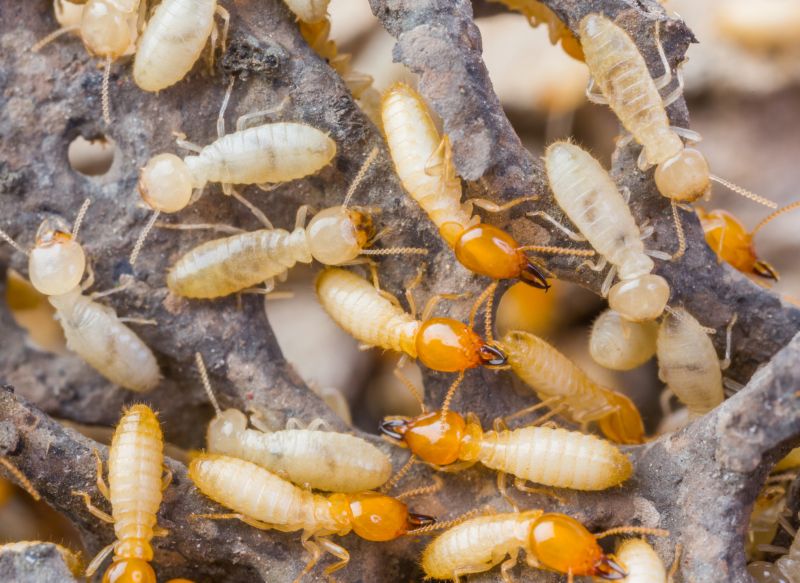
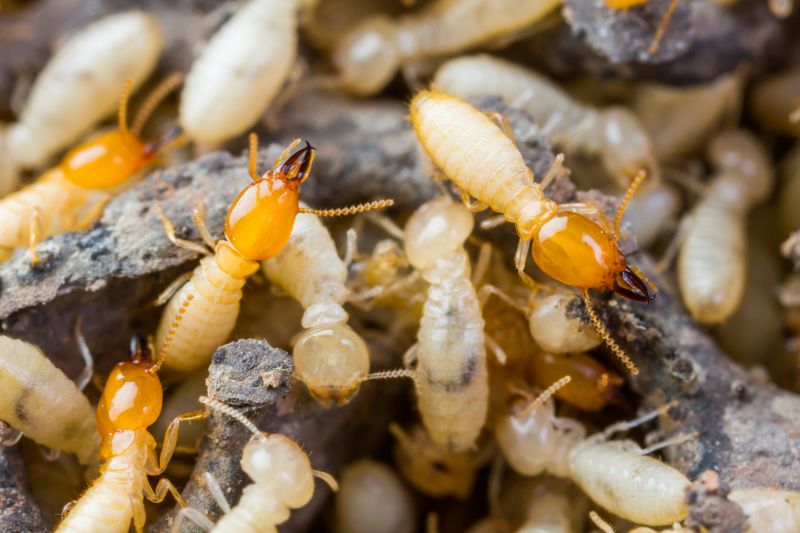
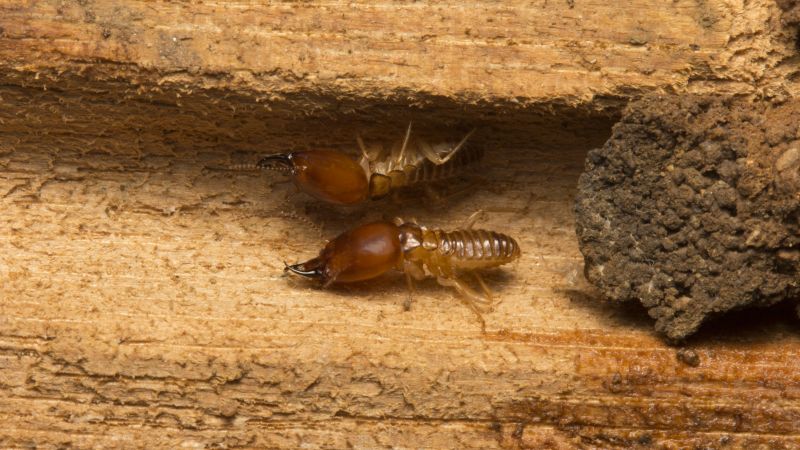
Termites are a common household pest that can cause significant damage to wood structures, including framing, flooring, and furniture. Termites extermination services involve thorough inspections to identify the presence of these insects and targeted treatments to eliminate colonies. These services often include the application of liquid barriers, baiting systems, or other methods designed to eradicate termites effectively and prevent future infestations. Professional contractors use specialized techniques to ensure that the treatment reaches deep into wood and soil areas where termites typically thrive.
The primary problem that termite extermination addresses is structural damage caused by ongoing infestations. Left untreated, termites can weaken the integrity of a property, leading to costly repairs and safety concerns. Additionally, termite activity often goes unnoticed until visible damage or signs such as mud tubes and discarded wings appear. Regular inspections and prompt treatment help homeowners protect their investments and maintain the safety of their living spaces. Service providers also offer advice on preventing future infestations through maintenance and moisture control strategies.
Properties that commonly require termite extermination include single-family homes, multi-unit buildings, and even some commercial properties with wooden structures. Homes with a history of moisture issues, wood debris nearby, or previous termite activity are especially vulnerable. Properties located in regions where termites are prevalent also tend to benefit from routine inspections and preventative treatments. Regardless of the type of property, professional termite control can help identify early signs of infestation, reducing the risk of extensive damage and ensuring the longevity of the building.
Homeowners who notice signs of termite activity or want to safeguard their property from future problems should consider consulting with local contractors experienced in termite extermination. These professionals can assess the situation, recommend appropriate treatment options, and implement effective solutions tailored to the specific property. Early intervention can save money and prevent extensive damage, making professional termite control a valuable step for maintaining the safety and value of any property.
The overview below groups typical Termites Extermination projects into broad ranges so you can see how smaller, mid-sized, and larger jobs often compare in your area.
In many markets, a large share of routine jobs stays in the lower and middle ranges, while only a smaller percentage of projects moves into the highest bands when the work is more complex or site conditions are harder than average.
Smaller Repairs - Most routine termite treatments for localized infestations typically cost between $250 and $600. Many projects fall within this range, covering standard inspections and targeted treatments. Larger or more complex jobs can exceed this range but are less common.
Standard Treatment Packages - Comprehensive termite extermination services usually range from $600 to $1,500 for mid-sized properties. This is the most common price band for typical residential treatments handled by local contractors. Prices above this tend to involve additional services or larger properties.
Full-Scale Extermination - Larger or heavily infested properties may require extensive treatments that can cost between $1,500 and $3,500. These projects often involve multiple visits, extensive barrier treatments, or soil injections, which are less frequent but necessary for severe infestations.
Complete Property Replacement - In extreme cases where structural damage is significant, full replacement or major repairs can cost $5,000 or more. Such projects are rare and usually involve extensive planning and multiple service providers to address the scope of work.
Actual totals will depend on details like access to the work area, the scope of the project, and the materials selected, so use these as general starting points rather than exact figures.
Wood Borer Treatment - local contractors use similar inspection and treatment techniques to eliminate wood-damaging pests like termites.
Fungus and Mold Remediation - these projects involve identifying and removing biological threats within structures, requiring expertise in pest and decay control.
Structural Pest Control - professionals apply integrated pest management strategies to handle various pests, including insects that compromise building integrity.
Dry Rot Repair - addressing wood decay caused by fungi involves assessment and treatment methods comparable to termite damage repairs.
Infestation Inspection Services - thorough inspections for pests like rodents or insects involve similar planning and detection skills as termite assessments.
Foundation Pest Prevention - implementing barriers and treatments to protect foundations from pests shares techniques used in termite prevention projects.
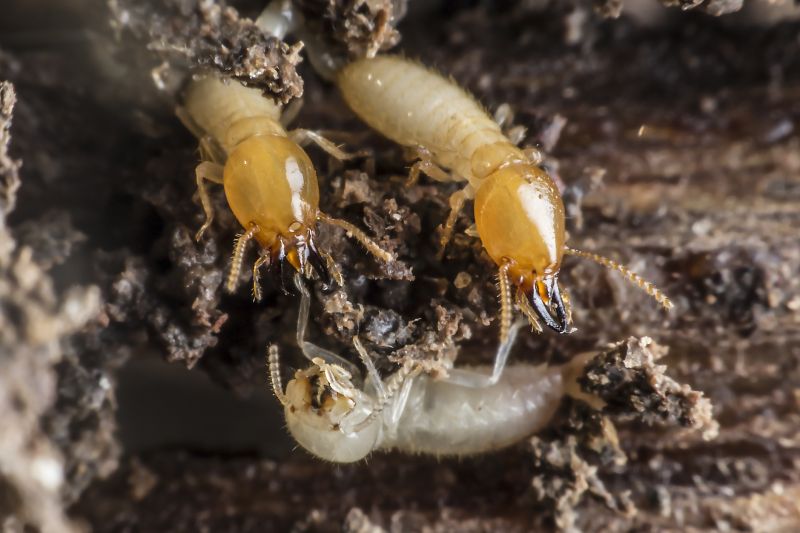
When comparing termite extermination services, it’s important to consider the experience of local contractors with similar projects. Homeowners should look for service providers who have a proven track record of handling termite issues in homes comparable to their own. An experienced contractor will be familiar with common infestations and effective treatment methods, which can help ensure the job is done thoroughly and efficiently. Asking for details about past projects or areas of specialization can provide insight into a contractor’s familiarity with local termite challenges and their ability to address specific concerns.
Clear, written expectations are a crucial aspect of choosing the right service provider. Homeowners should seek out contractors who can provide detailed descriptions of their treatment plans, including the methods used, areas covered, and any necessary follow-up procedures. Having this information in writing helps prevent misunderstandings and ensures that both parties are aligned on what the service will entail. Well-defined expectations also make it easier to compare different providers and determine which one offers the most transparent and comprehensive approach to termite extermination.
Reputable references and good communication are key indicators of a trustworthy local contractor. Pros with a history of satisfied clients can often provide references or testimonials that demonstrate their reliability and quality of work. Additionally, effective communication-such as prompt responses to questions and clear explanations of services-can make the process smoother and more comfortable for homeowners. It’s important to choose a service provider who values open dialogue and keeps homeowners informed at every stage, ensuring confidence in the treatment process. The site introduces homeowners to local options, helping them connect with qualified contractors who meet these important criteria.
Property owners use Termites Extermination services for practical projects around their homes and businesses. This guide focuses on everyday jobs and straightforward project options.
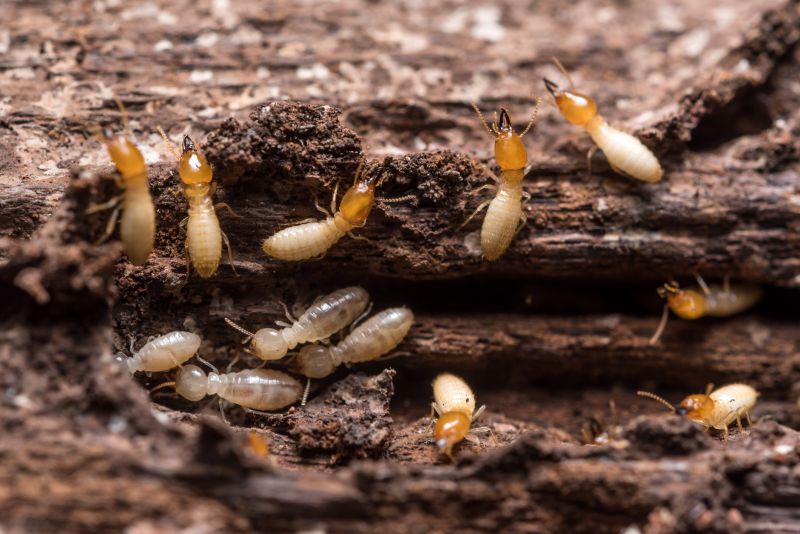
Property owners in the area often seek termite extermination services when they notice signs of infestation, such as damaged wood, discarded wings, or unusual mud tubes around their property. These pests can silently cause significant structural damage if left unchecked, making timely treatment essential. Local contractors specialize in identifying and addressing termite problems efficiently, helping homeowners protect their investments and maintain the safety of their homes.
Many residents look for termite extermination when preparing a property for sale or after experiencing previous issues. Regular inspections and prompt treatment can prevent minor concerns from escalating into costly repairs. Service providers in the community offer solutions tailored to the specific needs of local homes, ensuring effective treatment and ongoing protection against future infestations.
How do I know if I have a termite problem? Signs of a termite infestation include discarded wings, mud tubes on walls or foundations, and damaged wood structures. A professional inspection can confirm whether termites are present.
What types of termites are commonly treated? The most common types treated include subterranean, drywood, and dampwood termites. Local contractors can identify which type is affecting your property.
Are there preventive measures to avoid future termite issues? Preventive measures include reducing wood-to-soil contact, fixing leaks, and maintaining proper drainage around the property. Local service providers can offer tailored advice.
What areas are most vulnerable to termite activity? Areas with wood foundations, basements, crawl spaces, and wood mulch beds are especially susceptible to termite infestation.
How do extermination methods vary between different types of termites? Treatment approaches differ based on the termite type, with options including soil treatments, bait systems, and wood treatments, depending on the infestation specifics. Local contractors can recommend the best method for your situation.
Preventative Inspection Services - Regular inspections by local contractors can help identify termite activity early, preventing extensive damage to the property.
Infestation Treatment Options - Property owners can explore treatment solutions to eliminate termites and protect their home’s structure from future issues.
Soil Treatment Solutions - Applying soil barriers around the foundation can help create a protective zone against termite intrusion.
Monitoring and Maintenance Plans - Establish ongoing monitoring to ensure that any signs of termites are caught promptly and addressed effectively.
If you are thinking about Termites Extermination for a property, this guide is meant to help you understand the work, the typical project types, and how different options might fit your plans.
When you are ready, you can use the quote form on this page to share a few details about your project. From there, local pros can review the basics and respond with options that match what you have in mind.